
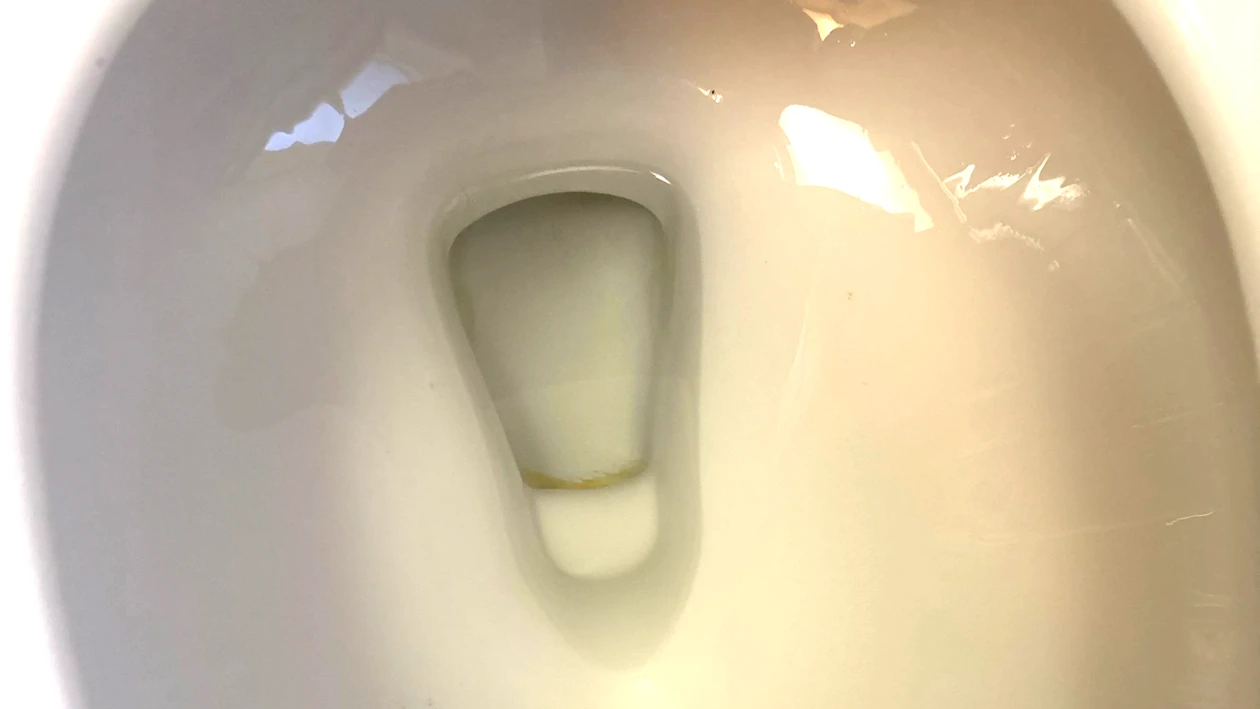
A low water level in your toilet is caused by one of two things: a misadjusted inlet valve (if the tank is low) or a blocked vent/trap (if the bowl is low). Understanding which problem you have is the first step to fixing it.
This guide covers how to diagnose low water issues, adjust your float valve, and determine whether your toilet needs repair or replacement.
Tools you’ll need: Adjustable pliers, bucket, sponge, flathead screwdriver.
How to Adjust Your Toilet Float Valve (Increasing Tank Water)
If your cistern isn’t filling high enough, the fix usually takes less than two minutes.
First, identify which valve type you have:
Ball float valve – An older brass arm with a plastic or copper ball on the end. Common in toilets installed before 2000.
Inlet valve (fill valve) – A modern plastic tower with a float cup that slides up and down. Fluidmaster and similar brands are standard in most Australian homes.
Adjusting a plastic inlet valve
Locate the long vertical adjustment screw connected to the float cup. Turn the screw clockwise to raise the float (adding more water to the tank) or counter-clockwise to lower it.
Adjusting a brass ball float
Find the screw at the top of the valve arm where it meets the body. Loosen the locking nut, bend the arm slightly upward, and retighten.
Critical: Ensure the water level sits at least 20mm below the overflow tube. Overfilling causes continuous running water and a higher water bill.
Try this now
- Take the lid off your cistern.
- Flush the toilet.
- As the tank refills, manually lift the float upward.
If the water stops running immediately, your valve is working fine—it just needs adjustment. If lifting the float makes no difference, your valve may need cleaning or replacing.
Related: If your toilet is filling correctly but taking too long, see our guide on how to fix a slow filling toilet.
Why Is the Water Level Low in the Bowl?
Here’s the hard truth: adding more water to your cistern won’t raise the water level in the bowl permanently.
In Australian wash-down toilets, the water level in the pan is determined by the weir of the S-trap or P-trap—the U-bend built into the porcelain.
You can’t adjust it. Any excess water simply drains over the trap and down the sewer line.
If your bowl water is consistently low, the cause lies elsewhere.
| Symptom | Likely cause | Solution |
|---|---|---|
| Water level drops during windy days | Roof vent pipe siphoning air | Check the vent pipe on your roof for blockages or damage |
| Water drops slowly after each flush | Partial blockage in the trap or drainpipe | Plunge the toilet or use a drain auger |
| Water ripples or moves on its own | Blockage further down the main sewer line | Call a licensed plumber |
| Water level is always low | Hairline crack in the porcelain bowl | Inspect for cracks; replacement likely needed |
Quick test
Pour a full bucket of water directly into the bowl. If the water immediately drains back down to the same low level, your issue is trap design or a venting problem, not your fill valve.
Repair vs Replace: When to Buy a New Valve
Not sure if your inlet valve is worth saving? Use the three-strike rule.
Strike 1: The water hisses constantly, even when the tank is completely full.
Strike 2: The adjustment screw is maxed out, but the water level still won’t reach the correct height.
Strike 3: The plastic float cup is cracked or has water inside it.
If your valve has two or more strikes, replacement is faster and more reliable than ongoing repairs.
What to buy
For most Australian toilet suites, a “Universal Bottom Entry Inlet Valve” is the standard replacement. Brands like Fluidmaster and Haron are stocked at Bunnings, Reece, and most hardware stores. Check whether you need bottom entry or side entry before purchasing.
DIY difficulty rating
Easy (5 minutes): Replacing the head seal washer or diaphragm.
Moderate (20–30 minutes): Replacing the entire inlet valve. You’ll need to empty the tank, disconnect the water supply, and use a wrench.
Harder (45+ minutes): Replacing the flush mechanism. This often means removing the cistern from the pan entirely.
Safety note: Don’t overtighten plastic nuts, they crack easily. Hand-tight plus a quarter turn is enough.
Next Steps
If you’ve adjusted your float valve but the tank is still filling slowly, debris in the inlet valve filter is the likely culprit. Our guide on fixing a slow filling toilet walks you through the cleaning process step by step.
For persistently low bowl water, check your roof vent pipe for blockages. If the water level drops on its own or you notice gurgling sounds from other drains, call a licensed plumber who specialises in blocked toilets, you may have a sewer line issue that isn’t safe to tackle yourself.