

We Charge Per Job, Not Per Hour
No surprises, no stress. You’ll know exactly what your plumbing project costs before we start any work. Our upfront, per-job pricing means you can make an informed decision on your bathroom, kitchen, hot water or drainage repair without worrying about a ticking clock. That’s our promise to every customer.

Same Day Service
Plumbing problems don’t wait, and neither should you. Punctuality matters to us because we respect your time. When we say we’ll be at your property, that’s when we’ll be there. Most plumbing jobs across the Central Coast are completed the same day.

Lifetime Labour Guarantee
Every job we complete is backed by our Lifetime Labour Guarantee. If something isn’t right, we’ll come back and fix it at no extra cost. It’s a promise we’ve kept since 2018, and one we’re proud to stand behind.
Why Central Coast Families Trust Dylan for Water Filter Installation
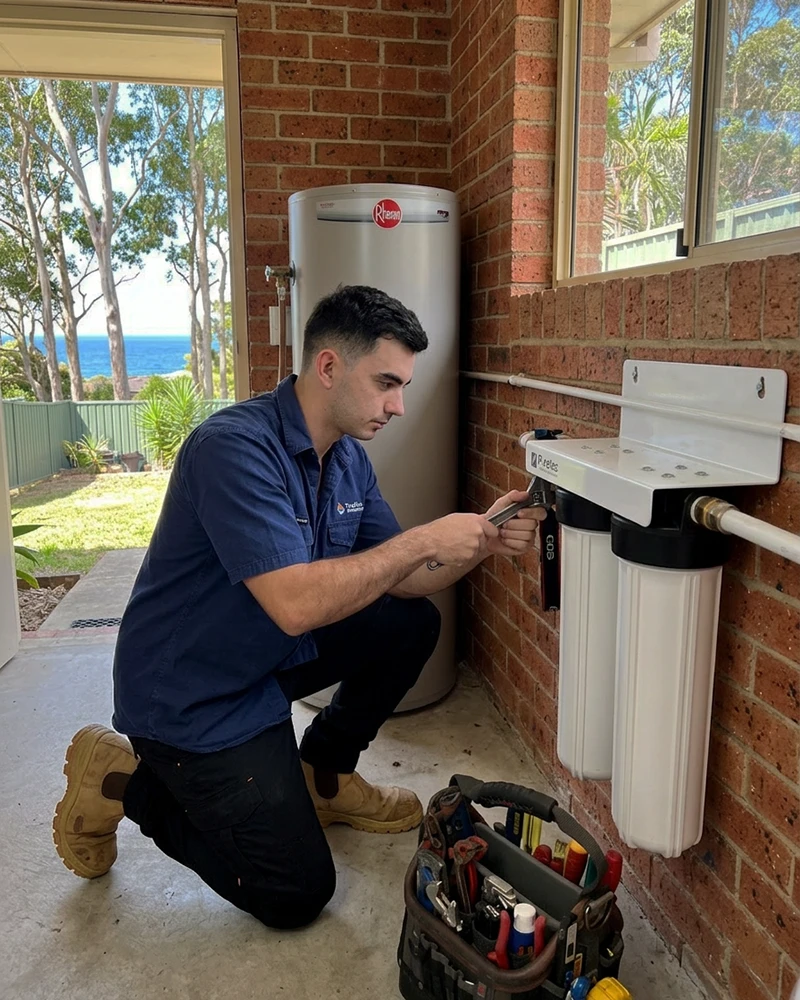
Dylan Attard is a fully licenced plumber (NSW Licence No. 457032C) and Master Plumbers Association accredited member based right here in Berkeley Vale. With TrueFlow Plumbing and Drains operating as your family-owned Central Coast plumber since 2018, you’re dealing directly with the person doing the work, not a call centre. That’s why 65% of our jobs come from word of mouth.
Every water filter installation is backed by our Lifetime Labour Guarantee. If there’s ever an issue with our workmanship, we come back and fix it — no charge, no questions. Not only that, but our prices are some of the most affordable on the Central Coast with under-sink filters installed from $320 and whole-house systems supplied and installed from $1,300.
Why Central Coast Homes Need Water Filtration
The Central Coast’s drinking water is sourced from Mangrove Creek Dam and Mardi Dam, then treated at Somersby and Mardi water treatment plants. While it meets the Australian Drinking Water Guidelines (ADWG) set by the National Health and Medical Research Council, the treatment process adds chlorine for disinfection and fluoride for dental health — both of which affect the taste and odour of your tap water.
By the time water travels through kilometres of ageing mains pipes to reach your kitchen tap, it can also pick up trace sediment, dissolved minerals like calcium and magnesium, and in some older Central Coast homes with original copper or galvanised steel plumbing, small amounts of metals including lead and copper.
A professionally installed water filtration system removes these contaminants at the point of use, giving you cleaner, better-tasting water straight from the tap — without the ongoing cost and plastic waste of bottled water.
If you’ve noticed brown or discoloured water from your taps, a whole-house or under-sink filter can make a significant difference. And if you’re curious about what’s actually in your Central Coast tap water, we’ve written a detailed guide on that too.
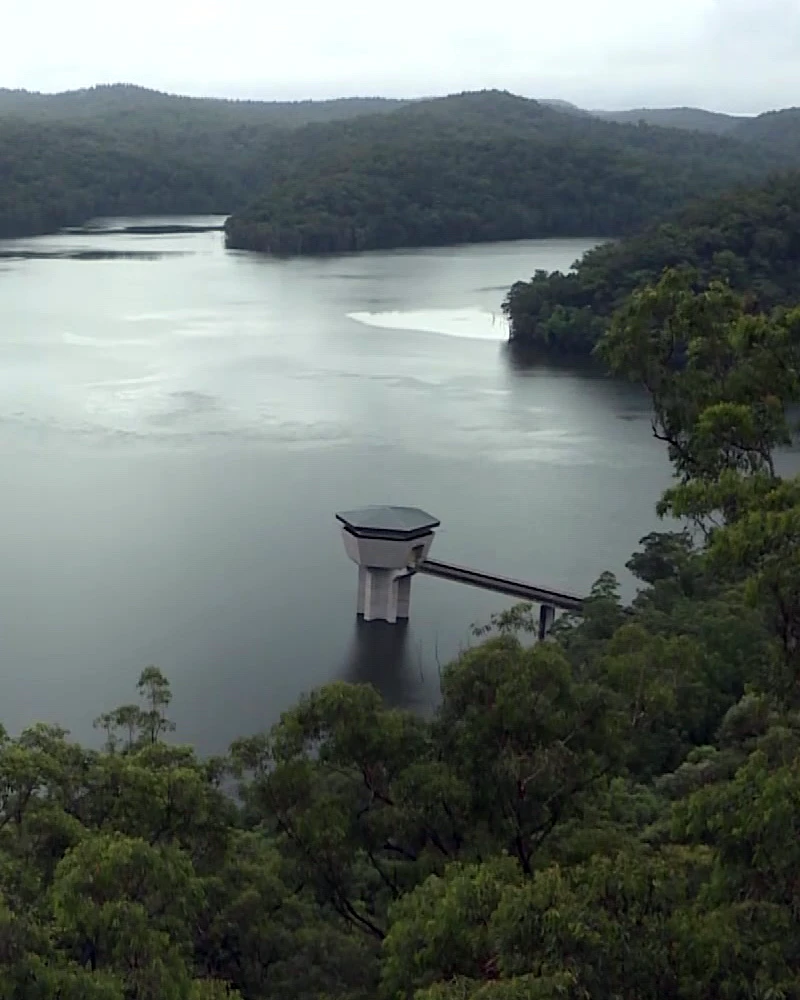
Mangrove Creek Dam – Central Coast
Water Filter Systems We Install
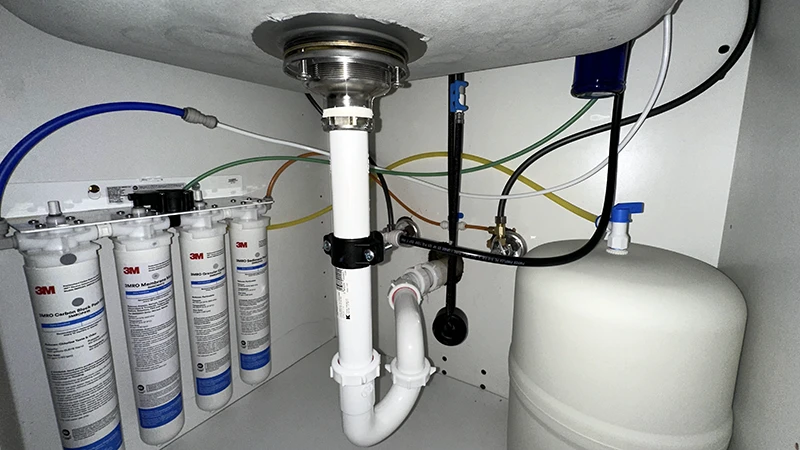
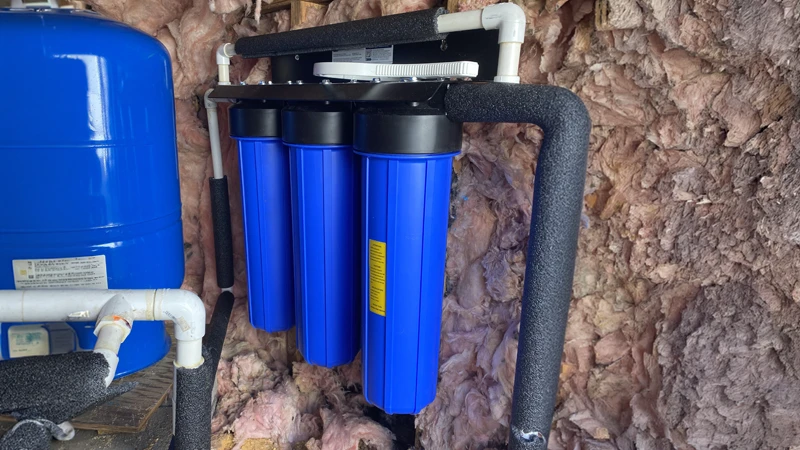
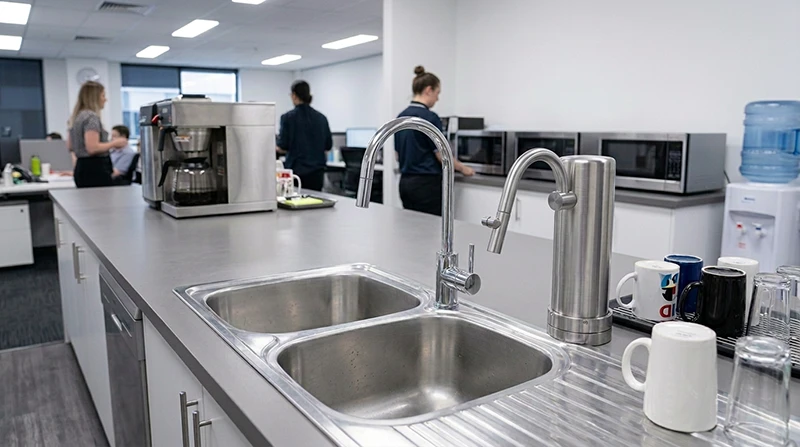
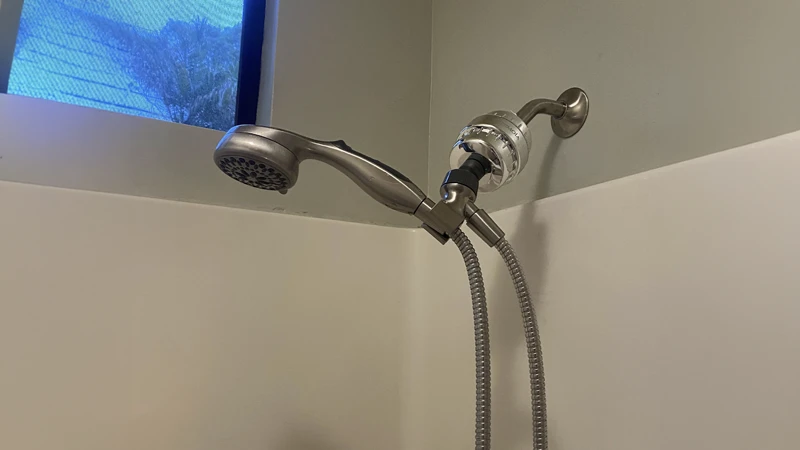
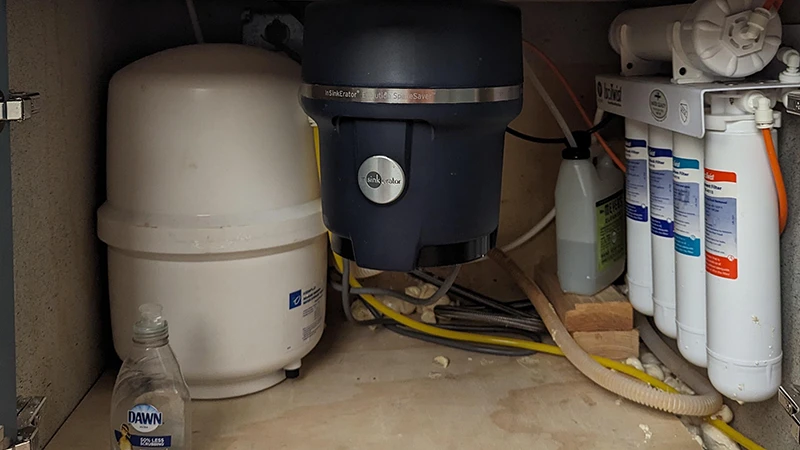
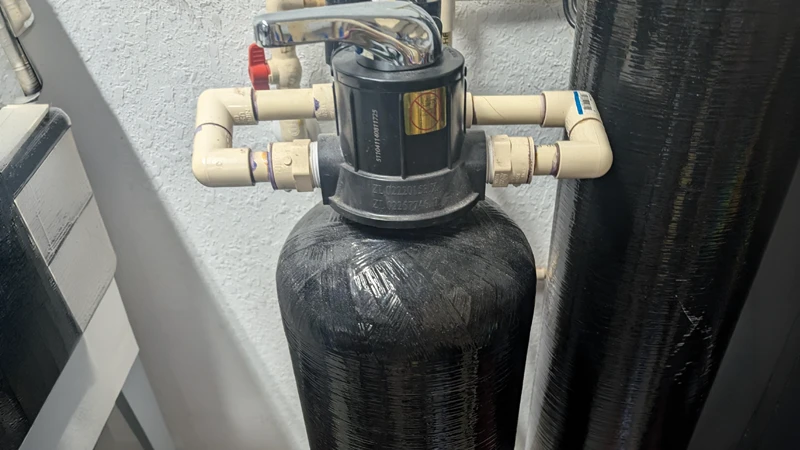
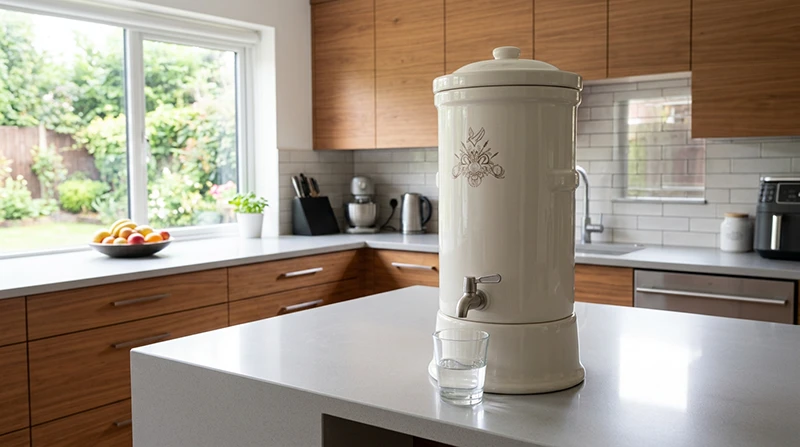
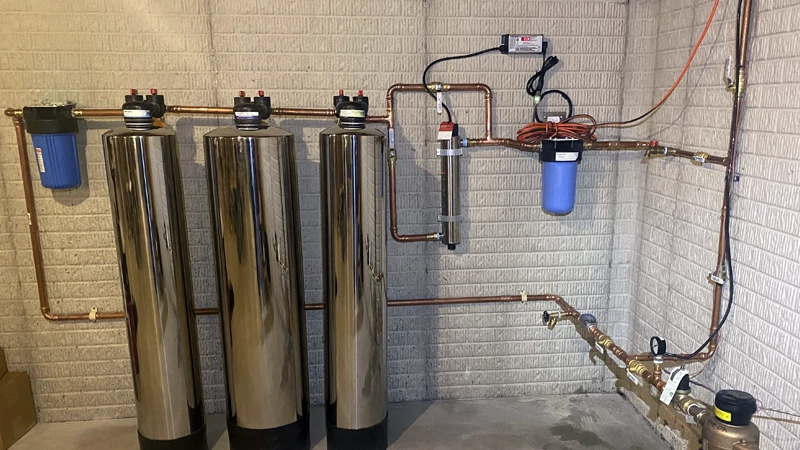
We install a full range of water filtration systems to suit every Central Coast home, budget, and water quality concern. Here’s a breakdown of the main types and where each one works best.
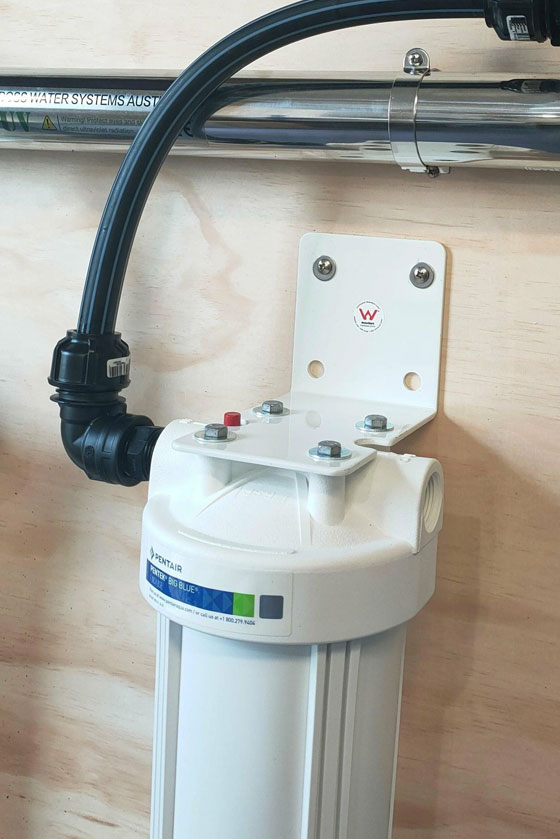
What to Expect When You Book a Water Filter Installation
Here’s how the process works when you call Dylan for a water filter installation on the Central Coast:
- Phone consultation — Dylan will ask about your home’s water supply (mains or tank), your main water quality concerns, and your budget. He’ll recommend the right type of system for your situation.
- Upfront quote — You’ll receive a clear, per-job price before any work begins. No hourly rates, no hidden costs, no surprises.
- Same-day or scheduled installation — Most under-sink and benchtop installations are completed in 1–2 hours. Whole-house systems typically take half a day depending on the plumbing configuration. Dylan will confirm a time that works for you.
- Professional installation — Dylan connects the system to your water supply, checks for leaks, tests flow rate and water pressure, and ensures everything is working properly. He’ll also show you how to maintain the system and when to replace the filter cartridges.
- Lifetime Labour Guarantee — Our workmanship is guaranteed for life. If anything goes wrong with the installation, we come back and fix it at no charge.
Water Filter Maintenance — Keeping Your System Working
Installing a water filter is only the first step. To keep your water quality high and your system running efficiently, regular maintenance is essential.
Filter cartridge replacement is the main ongoing task. How often depends on the filter type:
- Carbon filters: Every 6–12 months, depending on water usage and sediment levels
- Sediment pre-filters: Every 6–12 months
- Reverse osmosis membranes: Every 2–3 years
- Ceramic filters: Clean every 6 months; replace every 12–24 months
- UV lamps: Replace annually for consistent disinfection performance
Signs your filter needs replacing include reduced water flow, a change in taste or odour, and visible discolouration on the cartridge. Ignoring overdue filter changes can actually make your water quality worse — a saturated carbon filter can start releasing trapped contaminants back into the water.
Dylan can set up a maintenance schedule for your system and handle cartridge replacements as part of a regular service visit. If you’ve got an existing water filter that’s been neglected or you’re not sure when it was last serviced, give us a call — we’ll inspect the system, replace any overdue cartridges, and check for leaks or pressure issues.
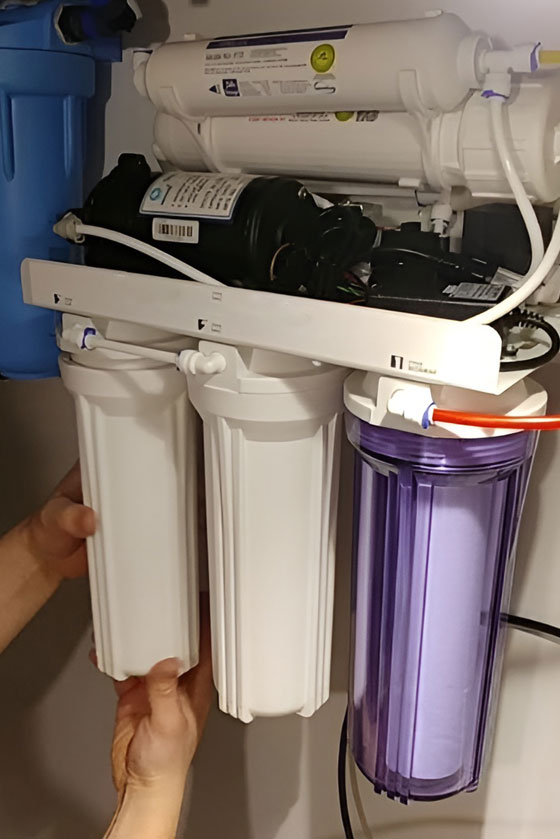
How Much Does Water Filter Installation Cost?
Water filter installation costs on the Central Coast vary depending on the system type and the complexity of your plumbing. Here’s a general guide:
| System Type | Typical Supply + Install Cost |
|---|---|
| Benchtop filter | $100 – $500 |
| Under-sink (single-stage) | $320 |
| Under-sink (multi-stage) | $400 – $900 |
| Under-sink (reverse osmosis) | $500 – $1,500 |
| Shower filter | $80 – $250 |
| Whole-house filter | $1300 |
Prices are a guide only and include supply and installation. Your actual quote will depend on the specific system, your home’s plumbing, and any modifications required.
Factors that affect cost include the number of filtration stages, whether your home needs plumbing modifications (more common in older Central Coast homes), the brand and quality of the system, and whether you’re connecting to mains water or a rainwater tank.
Dylan provides upfront, per-job pricing — you’ll know exactly what the installation will cost before any work starts. No hourly rates, no bill shock.
For a detailed breakdown of costs by system type — including annual maintenance, cartridge replacement costs, and what affects your installation price — see our complete water filter cost guide.
Benefits of Installing a Water Filtration System
A professionally installed water filter delivers measurable improvements to your daily water quality:
For a deeper look, read our full guide on the benefits of a water filtration system.
Get Your Water Filter Installed
Ready to improve your water quality? Here’s how to get started, call Dylan directly on 0411 438 760, he’ll talk through your options over the phone and provide an upfront quote. Most installations can be booked same day or within a few days.
Dylan services the entire Central Coast Council region including Berkeley Vale, Gosford, Terrigal, The Entrance, Bateau Bay, Erina, Woy Woy, Toukley, Tuggerah, Blue Haven, Umina Beach, and surrounding suburbs.

Water Filter Installation — Frequently Asked Questions
Do I need a plumber to install a water filter?
In New South Wales, any water filter that connects to your household plumbing must be installed by a licenced plumber under the Plumbing Code of Australia. This includes under-sink filters, whole-house systems, and reverse osmosis units. Benchtop filters that attach via a diverter valve on the tap and don’t require plumbing modifications can technically be self-installed, but having a plumber connect them ensures no leaks and proper water pressure. Dylan holds NSW Plumbing Licence 457032C and is Master Plumbers Association accredited.
What’s the best water filter for Central Coast tap water?
For most Central Coast homes on mains water, a multi-stage under-sink filter with activated carbon and sediment filtration is the best value. It removes chlorine, sediment, VOCs, and improves taste — addressing the main water quality concerns from the Somersby and Mardi treatment plants. If you want to also remove fluoride, you’ll need a reverse osmosis system. For homes on tank water or bore water (common in Kariong, Somersby, and semi-rural areas), a whole-house system with UV disinfection is recommended to ensure microbiological safety throughout the home.
How long does water filter installation take?
Under-sink and benchtop filter installations typically take 1–2 hours. A whole-house water filtration system usually takes 3–5 hours depending on the complexity of your plumbing and the location of your main water supply line. Dylan will give you a clear timeframe when he provides your quote.
How much does water filter installation cost on the Central Coast?
The cost depends on the type of system. Benchtop filters start from around $100 installed, under-sink systems from $250 to $900, reverse osmosis from $500 to $1,500, and whole-house systems from $800 to $3,000+. Dylan provides upfront, per-job pricing — you’ll know exactly what it costs before he starts. Call 0411 438 760 for a free quote.
How often do water filter cartridges need replacing?
Most carbon and sediment cartridges need replacing every 6–12 months. Reverse osmosis membranes last 2–3 years. Ceramic filters should be cleaned every 6 months and replaced every 1–2 years. UV lamps need annual replacement. Dylan can advise on the right maintenance schedule for your specific system and handle cartridge replacements for you.
Will a water filter reduce my water pressure?
A properly sized and installed water filter should have minimal impact on your water pressure. Some reduction in flow rate is normal, particularly with reverse osmosis systems (which is why they use a storage tank). If your home already has low water pressure, Dylan will assess this during the installation consultation and recommend a system that won’t make it worse.
Can a water filter remove fluoride from tap water?
Standard activated carbon filters do not remove fluoride. Boiling won’t remove it either — it actually concentrates fluoride in the remaining water. If fluoride removal is important to you, you’ll need a reverse osmosis system, which typically removes 95–99% of fluoride along with other dissolved solids. Activated alumina filters are another option specifically designed for fluoride reduction. Dylan can recommend the right system based on your priorities.
What’s the difference between a water filter and a water softener?
A water filter removes contaminants like chlorine, sediment, heavy metals, and bacteria to improve water quality for drinking and general use. A water softener specifically targets hardness minerals — calcium and magnesium — that cause scale buildup in pipes, hot water systems, and appliances. They serve different purposes, and in some Central Coast homes with both hard water and taste concerns, a combination of both may be the best solution.
Do you install water filters for businesses?
Yes. Dylan installs commercial water filtration systems for cafés, restaurants, offices, and other businesses across the Central Coast. Commercial systems often require higher flow rates and more robust filtration — Dylan will assess your needs and recommend the right setup.